
In the U.S., a typical leech therapy session often falls in the $300 to $600 range. That said, leech therapy cost can vary a lot, and the primary difference usually comes down to what’s included, how the treatment is performed, and what safety standards a clinic follows.
If you’re reading this, you may be weighing a few things at once. You’re curious about leech therapy, you want a straight answer on price, and you also want to know whether a lower quote is a better deal. That’s a smart way to approach an unfamiliar therapy.
Most first-time clients don’t just want the cheapest number. They want to know what they’re paying for, what a session feels like, how practitioners keep it safe, and whether the cost makes sense compared with other options. In New Jersey, those questions matter even more because clinic standards, practitioner experience, and sourcing practices can make one appointment very different from another.
Table of Contents
- Understanding Leech Therapy and Its Costs
- What a Typical Leech Therapy Session Includes
- Key Factors That Influence Your Final Price
- Why Safety and Credentials Are Part of the Cost
- Cost-Effectiveness Compared to Alternative Treatments
- Choosing a Provider and Frequently Asked Questions
Understanding Leech Therapy and Its Costs
People usually start searching for leech therapy after standard approaches haven’t given them the kind of relief they hoped for. Sometimes it’s ongoing joint discomfort. Sometimes it’s circulation support, localized swelling, or an interest in a more traditional, hands-on therapy that feels less mechanical than repeated injections or medication cycles.
Leech therapy, also called hirudotherapy, uses medicinal leeches in a supervised clinical setting. The treatment itself sounds unusual at first, but the cost question is usually simpler than people expect. In many wellness settings, the session fee reflects a professional service package, not just the leeches.
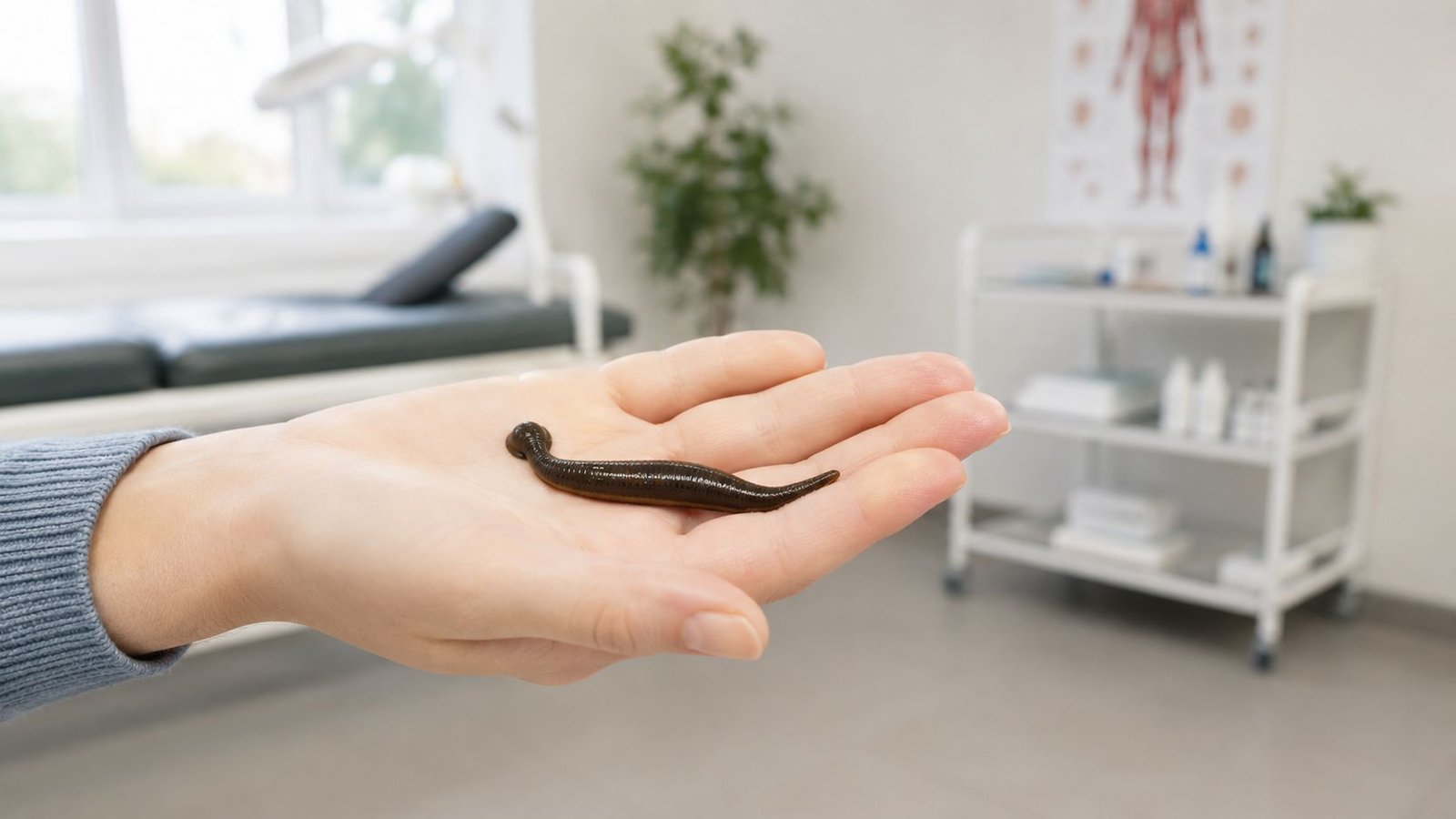
What people are really paying for
A professional leech therapy appointment usually includes evaluation, preparation, supervised application, sterile dressing supplies, and aftercare guidance. That’s why the sticker price alone doesn’t tell you much.
If you’re new to the therapy, it helps to learn the basics first. A practical overview of the benefits of medicinal leeches can make the pricing discussion easier to understand because it puts the treatment in context.
Practical rule: If a clinic quotes a price without explaining sourcing, hygiene, supervision, or aftercare, the number is incomplete.
Why New Jersey clients should look past the quote
In New Jersey, overhead, practitioner training, and clinical standards can all affect price. A session in a clean, one-on-one environment with proper intake and follow-up may cost more than a bare-bones appointment, but it often provides more reassurance and better support for first-time clients.
That matters because leech therapy isn’t a casual service. It should feel structured, calm, and professionally managed. When clients ask whether a session is “worth it,” the better question is whether the provider is giving them a safe treatment process, clear expectations, and enough attention before they ever place the first leech.
What a Typical Leech Therapy Session Includes
A good way to think about session pricing is a prix-fixe menu. You’re not paying for one item. You’re paying for a complete treatment experience with several parts that need to work together.
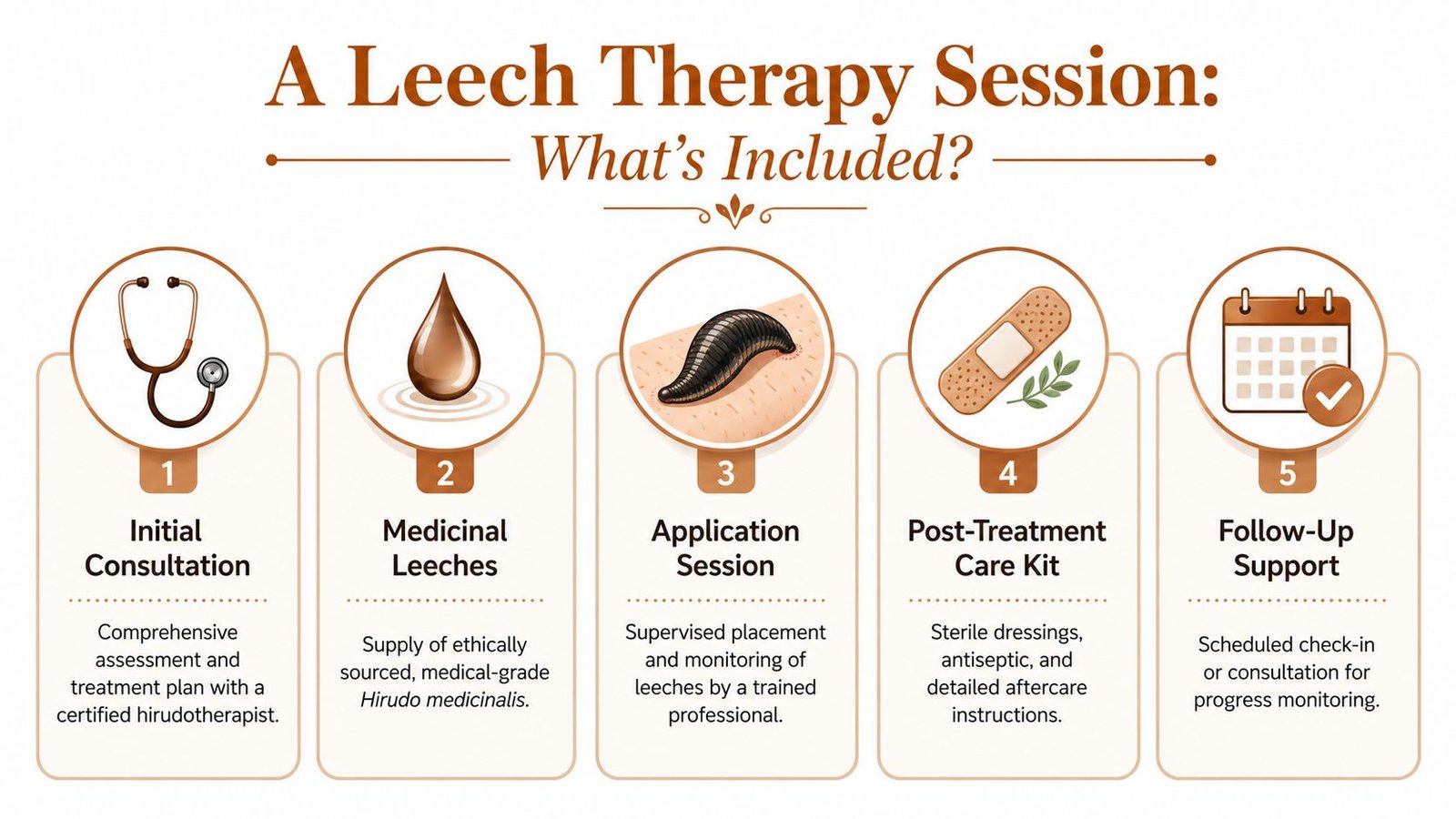
Near the start of the visit, understanding the step-by-step process is a common desire. This visual gives a simple overview.
The consultation and health review
The first part of the fee is the practitioner’s time and judgment. Before treatment starts, a responsible provider reviews your health history, the area being treated, your goals, and whether leech therapy is appropriate for you at all.
That intake matters because not every client needs the same approach. A small localized area may be handled differently than a broader treatment goal. If you want a closer look at the process itself, this guide to hirudotherapy services helps explain what a supervised appointment typically involves.
The leeches and sterile treatment setup
The next part is the treatment material itself. Professional sessions use medicinal leeches sourced for clinical use, not improvised or casually obtained animals. The fee also covers the sterile supplies that make the session safe and manageable, such as gloves, dressings, gauze, cleansing materials, and disposal procedures.
That’s one reason a session price can feel higher than people expect at first glance. You’re paying for a controlled medical-style setup.
Dressings, aftercare, and follow-up support
After treatment, clients need clear instructions. The bite sites must be dressed properly, and you should leave knowing how to manage normal post-session bleeding, when to change dressings, and when to contact the practitioner.
A quality session fee often includes:
- Post-treatment bandaging: Clean dressings applied before you leave.
- Aftercare instructions: Guidance on what to expect over the next several hours.
- Support access: A way to ask questions if something feels unusual.
- Follow-up planning: Direction on whether another session makes sense.
The best appointments don’t leave clients wondering what happens after they get home.
Key Factors That Influence Your Final Price
Two people can call the same clinic and get different quotes for the same broad service. That doesn’t always mean one price is inflated. It often means the treatment details aren’t identical.
The treatment area and number of leeches
Some sessions require only a small, targeted application. Others need more coverage. The number of medicinal leeches used affects material cost, setup time, monitoring, and aftercare needs.
The raw cost of the leeches themselves also varies sharply by region. Reporting cited by The Seattle Times on medicinal leech pricing notes that leeches in Russia average 90 cents each, while leeches sold by U.S. suppliers like Leeches USA cost $15.50 each, a more than 17-fold difference. That gap helps explain why American session pricing can’t be judged by foreign examples you may see online.
Practitioner experience and session complexity
A straightforward appointment and a more nuanced one won’t always be priced the same way. Providers with stronger training, more experience, and tighter clinical procedures may charge more because they’re offering more oversight.
In practice, clients are often paying for judgment as much as time. That includes deciding placement, monitoring response, and giving realistic guidance on whether treatment should continue.
New Jersey operating costs and clinic standards
Location matters. A clean private treatment room in New Jersey carries different overhead than a low-cost setup elsewhere. Rent, supplies, scheduling support, sanitation procedures, and compliance habits all shape the final quote.
This is one reason low online price comparisons can mislead people. A number from another country, or even another state, may not reflect local sourcing and operating standards.
What works: asking for a clear explanation of what drives the quote.
What doesn’t: comparing one clinic’s price to a random number posted from another country or an informal provider.
Why Safety and Credentials Are Part of the Cost
When clients feel nervous about leech therapy, the concern usually isn’t only the leech. It’s whether the treatment will be handled properly. That’s where a large part of the fee earns its place.
Single-use sourcing is not optional
Professional leech therapy should use single-use medicinal leeches obtained for clinical application. Reuse creates obvious safety concerns, and no responsible provider should cut corners there.
A legitimate session also includes proper handling before treatment and proper disposal afterward. Those steps aren’t glamorous, but they’re part of what separates a professional service from a risky one.
Clean technique protects the client
The room should be clean. Supplies should be sterile where appropriate. Dressings should be applied carefully. Instructions should be specific, not casual.
Those basics sound simple, but they directly affect your experience. If a provider seems vague about hygiene, aftercare, or what to expect from the treatment site afterward, that’s a reason to pause.
Credentials affect more than reputation
A trained practitioner brings calm decision-making to the session. They know when to proceed, when to stop, how to prepare the area, and how to talk a new client through the process without making it feel frightening or improvised.
That expertise becomes especially important when someone is anxious, sensitive to discomfort, or unsure whether they’re a good candidate at all.
Consider these signs of a trustworthy provider:
- Clear intake process: They ask about your health history before discussing payment.
- Specific sourcing answers: They can explain where their medicinal leeches come from and how they’re handled.
- Structured aftercare: They give practical dressing and follow-up instructions.
- Professional environment: The treatment space feels orderly, private, and hygienic.
- No bargain-basement shortcuts: They don’t sell the service as a novelty or rush you through it.
A low quote can save money at booking time. It doesn’t save stress if the clinic can’t answer basic safety questions.
Peace of mind is often considered part of the treatment value. In leech therapy, it should be.
Cost-Effectiveness Compared to Alternative Treatments
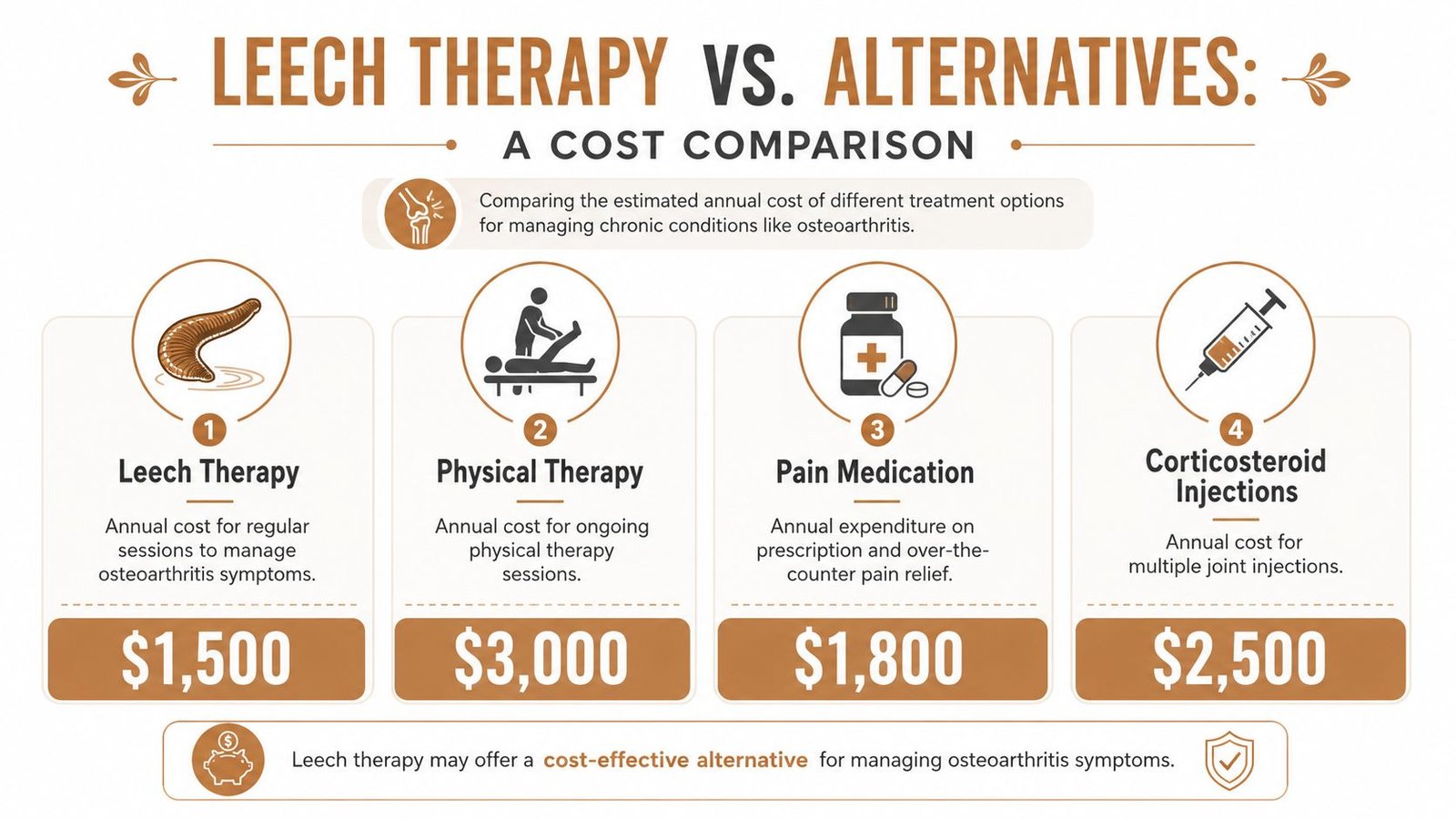
A single appointment fee can feel substantial when you look at it in isolation. The better comparison is annual spending, especially for clients exploring leech therapy as part of chronic symptom management.
Looking at osteoarthritis costs over time
For osteoarthritis, clinical evidence summarized by the Hirudotherapy Society states that leech therapy has an annual cost of $120 to $360 when a patient receives 2 to 3 sessions per year. The same source states that a series of hyaluronic acid injections can cost $1,600 to $4,800 annually with 1 to 2 treatment series per year.
That comparison doesn’t mean leech therapy is the right fit for every person or every diagnosis. It does show why some clients and practitioners look beyond the initial session fee and think in terms of ongoing management cost.
Value is not the same as the cheapest visit
What often makes a therapy feel expensive is repetition. Treatments that require frequent return visits can add up fast, even if each appointment looks moderate on paper.
By contrast, some clients are drawn to leech therapy because it may fit into a less frequent care rhythm. If you’re comparing broader wellness spending, it also helps to review how people think about price across other wellness services, since the same principle applies. One low ticket doesn’t always mean lower total cost over time.
Hidden costs matter too
Even when a treatment path seems familiar, it may come with extra burdens. Repeated scheduling, transportation, missed work time, and the frustration of short-lived relief all shape whether a therapy feels worthwhile.
That’s why clients often ask a practical question rather than a theoretical one: “If I pay for this, am I likely to feel that the visit was well spent?” The answer depends on the condition being addressed, the quality of the provider, and whether the treatment plan is realistic from the start.
A useful lens: don’t compare leech therapy cost only to a single visit. Compare it to the pattern of care you may be signing up for over the year.
Choosing a Provider and Frequently Asked Questions
By the time someone is ready to book, they usually need two things. A short checklist for choosing a provider, and direct answers to the questions they were hesitant to ask.
Questions to ask before you schedule
If you’re looking in New Jersey, keep the conversation simple and specific. Ask the provider:
- Who performs the session? You want to know the practitioner’s training and how much hands-on experience they have.
- How are the leeches sourced? The answer should be clear, direct, and professional.
- Are the leeches single-use? This should never be fuzzy.
- What does the quoted fee include? Ask whether intake, supplies, dressings, and aftercare are part of the price.
- What happens after the session? A serious provider should explain bleeding expectations, bandage care, and support if you have concerns.
- Is the treatment done in a private, clean room? That matters for both comfort and hygiene.
For clients around Perth Amboy, Edison, Woodbridge, Sayreville, South Amboy, Old Bridge, Carteret, South Brunswick, New Brunswick, and Metuchen, local access can make follow-up easier. That’s worth considering when you’re choosing between a distant provider and one in your regular service area.
Common questions clients ask
Does insurance cover leech therapy
Coverage can be limited. The osteoarthritis clinical evidence referenced earlier notes that insurance coverage limitations remain a barrier because of the therapy’s off-label status in some markets. In plain terms, many clients should expect to pay out of pocket unless they’ve confirmed otherwise with their insurer.
Does the process hurt
It is often expected to feel worse than it does. In a professional setting, clients usually describe the experience as manageable, especially when the practitioner prepares them well and monitors the treatment closely. Anxiety tends to drop once the session starts and they understand what sensations are normal.
How many sessions will I need
There isn’t one fixed answer. The number depends on your goals, the area treated, and how your body responds. A good practitioner won’t promise a preset package before assessing you.
Ask for a treatment recommendation based on your situation, not a generic bundle sold to everyone who walks in.
If you’re in Central New Jersey and want a private, professional conversation about whether leech therapy is appropriate for you, C&A Wellness Center offers one-on-one wellness appointments with a comfort-focused approach, clear explanations, and convenient scheduling in Perth Amboy.