

You wake up in your Central New Jersey home feeling as if sleep never quite finished the job. Your knees are stiff on the stairs, your hands need time to loosen, and a familiar tiredness follows you into breakfast. You may wonder whether one food, supplement, or treatment could provide fast inflammation reduction. In practice, the safer and more durable answer usually comes from a pattern of daily habits, with optional supportive therapies chosen carefully and supervised appropriately.
Table of Contents
- Understanding What Inflammation Really Is
- Acute Versus Chronic Inflammation and Why the Difference Matters
- Anti-Inflammatory Eating Patterns That Actually Lower Markers
- Daily Movement Sleep and Stress Practices for Lasting Results
- Supportive Therapies Supplements and What the Evidence Really Shows
- Building Your Safe Personalized Inflammation Reduction Plan in Central New Jersey
Understanding What Inflammation Really Is
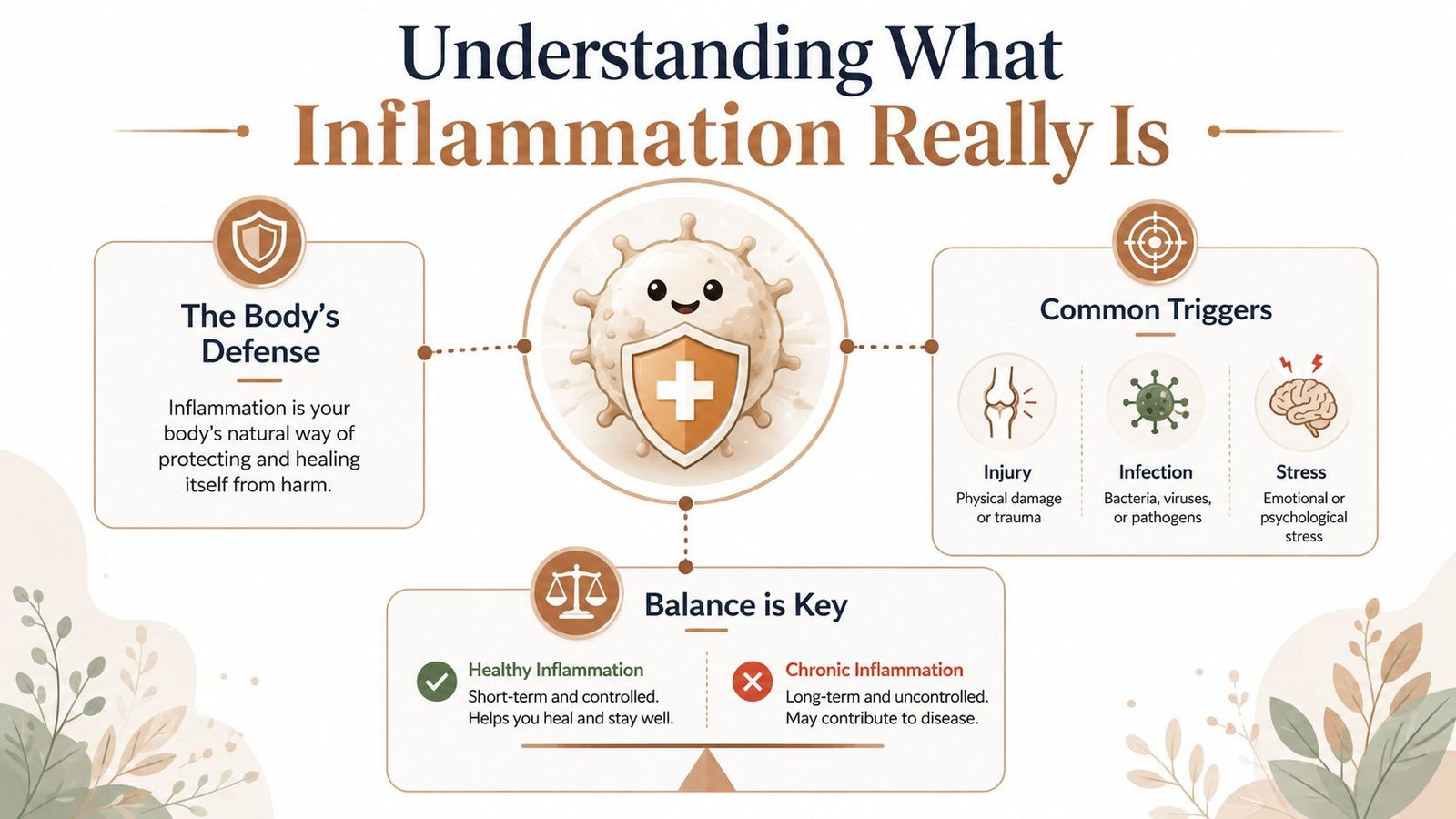
Inflammation is your immune system's protective response. When your body detects an injury, infection, or another threat, immune activity helps contain the problem and begin repair. That response can cause warmth, swelling, tenderness, or fatigue, but those signs do not automatically mean something has gone wrong.
A client once told me she assumed every ache meant her body was “fighting itself.” After we walked through what immune signaling does, she felt less alarmed and more able to track patterns calmly. That shift matters, because inflammation often works like a smoke alarm. A brief alarm can be useful. A constant alarm is a different problem.
The immune system relies on signaling molecules to coordinate this work. In the late 1980s, researchers identified chemotactic cytokines such as interleukin-8, also called IL-8 or CXCL8, and monocyte chemotactic and activating factor, also called MCAF or CCL2. These discoveries helped explain how immune cells are recruited to inflamed tissue and reshaped modern understanding of inflammatory pathways, as described in this historical review of inflammation science.
Read the signals without panic
A sore shoulder after an unfamiliar workout is different from shoulder stiffness that keeps returning, limits movement, and arrives with poor sleep and unusual exhaustion. A scraped knee that gradually settles is different from a broad pattern of aching, digestive discomfort, and low energy that does not seem to resolve.
Those examples do not diagnose a condition. They show why duration, intensity, and context matter. Inflammation reduction is not about shutting down every immune response. It is about lowering the background strain that may keep the body in repeated alarm, while still allowing normal repair to happen.
A useful first step is to observe your routine for several days.
- Morning symptoms: Notice stiffness, energy, and how quickly your body loosens after getting up.
- Daily triggers: Record stressful periods, disrupted sleep, long sedentary stretches, and meals that leave you feeling uncomfortable.
- Recovery pattern: Ask whether soreness improves with ordinary rest or keeps interfering with normal activity.
- Medical context: Persistent or severe symptoms deserve evaluation by a qualified clinician, especially when they are new or worsening.
Practical rule: Treat inflammation as a message to investigate, not an enemy to silence blindly.
The most helpful plan usually restores balance through food quality, movement, sleep, stress regulation, and appropriate medical care. Optional wellness services may support relaxation or routine, and supervised thermal or detox therapies may be part of a local plan when they are chosen carefully, but they should not replace assessment when symptoms persist.
Acute Versus Chronic Inflammation and Why the Difference Matters
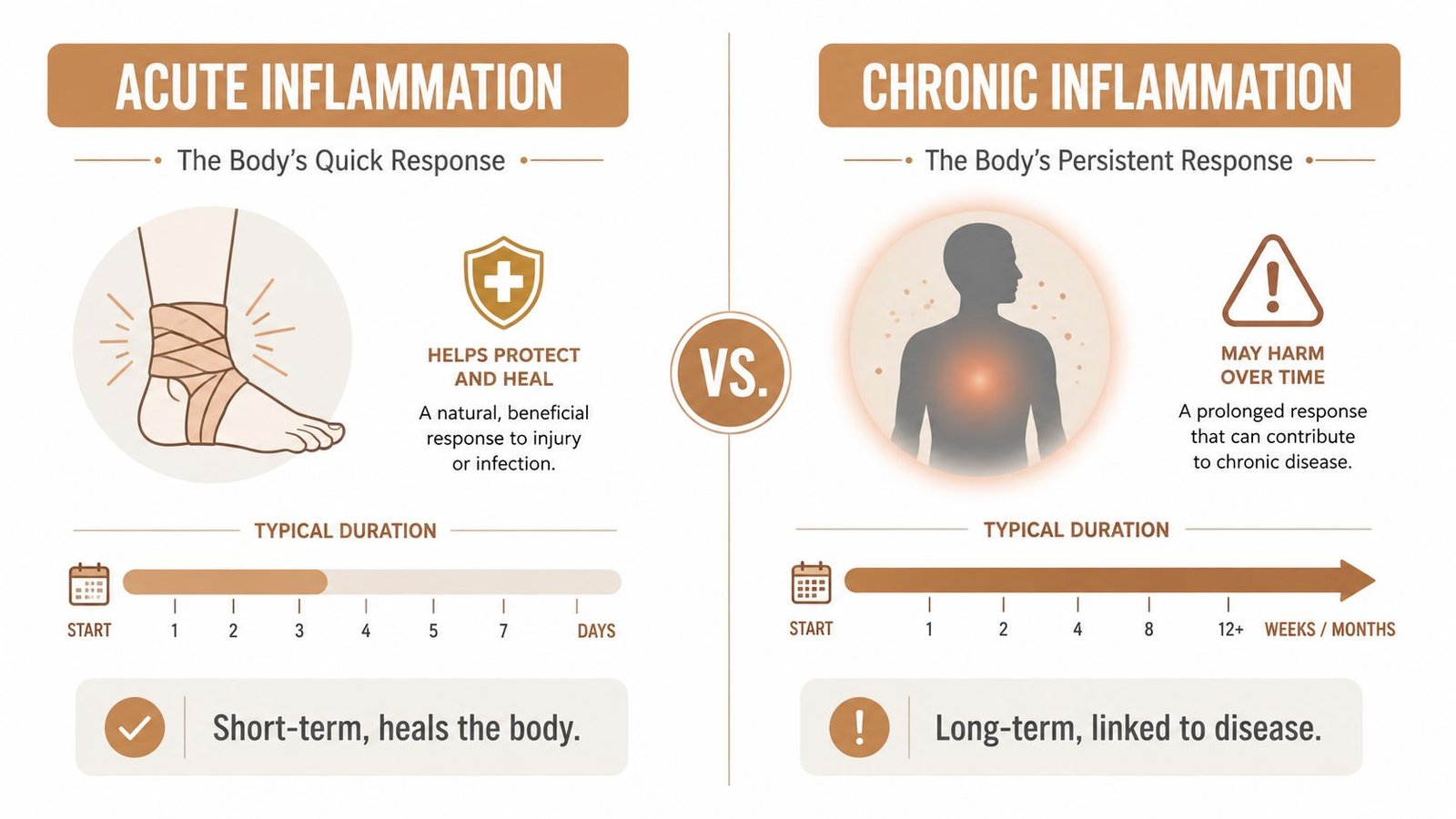
A sprained ankle makes the difference easy to see. The area swells, feels tender, and reminds you to protect it while healing gets underway. An infection can do something similar. The body mounts a short-term immune response that often feels strong, but it usually has a clear purpose and a visible change over time.
Chronic inflammation is often quieter. A person may notice ongoing joint stiffness, sleep that never feels restorative, digestive unease, or a heavy, sluggish feeling that keeps returning. Those symptoms can come from many causes, so they should not be treated as proof of chronic inflammation on their own. They do, however, signal a good reason to review daily habits and ask for professional guidance when needed.
Two patterns, different goals
| Acute inflammation | Chronic inflammation |
|---|---|
| Often follows an injury or infection | May reflect a continuing combination of lifestyle, metabolic, environmental, or medical factors |
| Usually has a clear beginning | Can be subtle and difficult to date |
| Supports protection and repair | May keep immune signaling active longer than needed |
| Calls for appropriate healing and medical care | Calls for a broader review of habits and health status |
Dietary pattern research gives this difference practical meaning. A 2024 meta-analysis found that people in the highest versus lowest dietary inflammatory index categories had 25% higher odds of increased CRP, with an odds ratio of 1.25 and a 95% confidence interval of 1.18 to 1.32. CRP, or C-reactive protein, is a blood marker clinicians may look at together with symptoms, history, and other findings.
That does not mean one meal creates disease, or that a dietary score can predict how any one person will feel. It points to a more measured idea, repeated eating patterns can relate to measurable inflammatory burden.
Inflammation reduction targets the lingering pattern, not the helpful response that protects an injured body.
If you have unexplained swelling, significant pain, fever, ongoing fatigue, or symptoms that interfere with daily life, speak with a medical professional. Lifestyle work is most useful when it supports appropriate diagnosis instead of delaying it.
Anti-Inflammatory Eating Patterns That Actually Lower Markers
A practical eating pattern does not require a pantry overhaul or a list of forbidden ingredients. Start with fiber-rich plants, minimally processed foods, nourishing fats, and adequate protein, then make changes you can repeat during ordinary workweeks in Edison, Woodbridge, Perth Amboy, or nearby communities. In practice, the goal is a steady routine you can keep, not a perfect menu you can only follow for a few days.
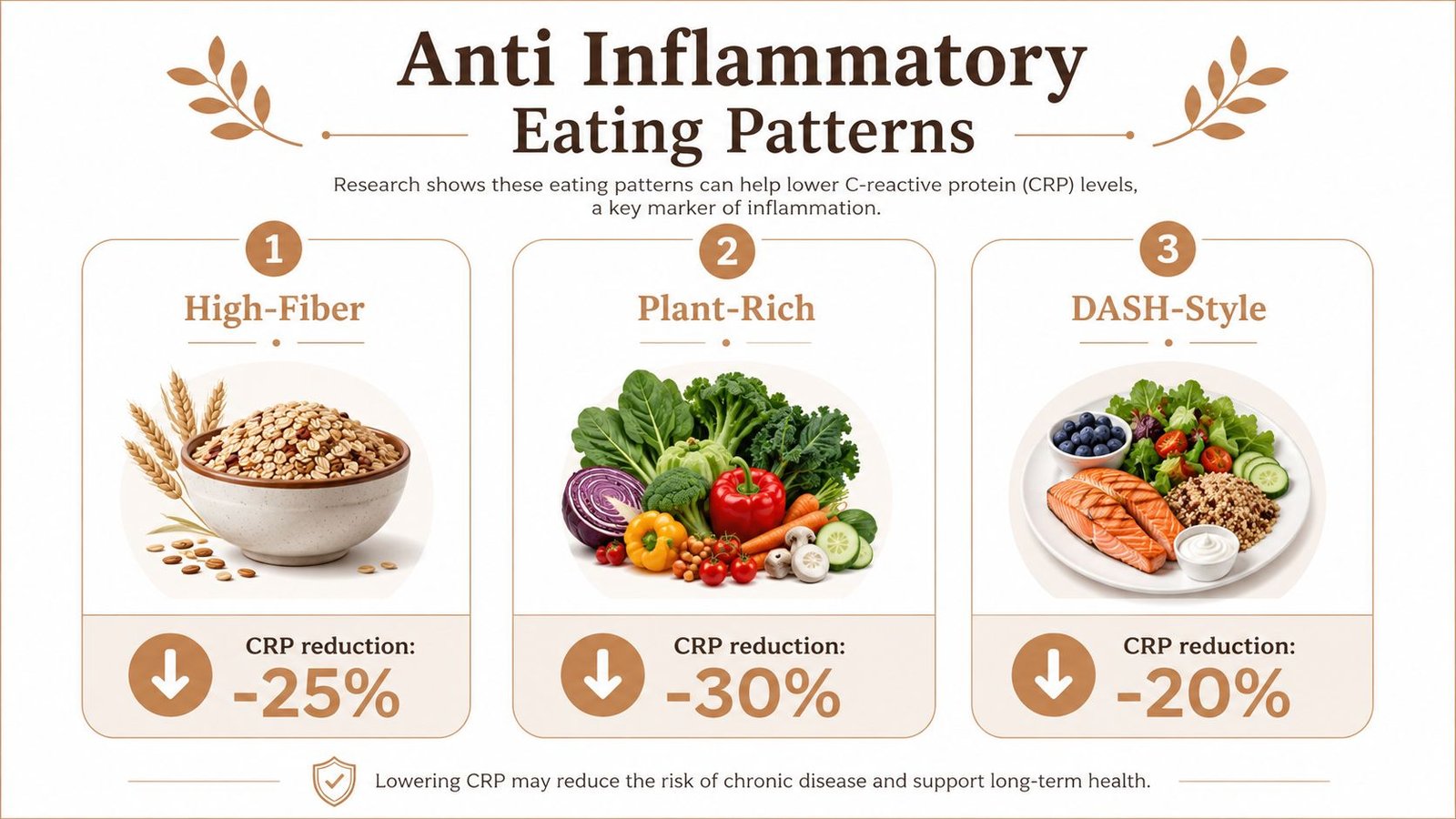
Nutrition research keeps pointing to the same lesson, the pattern matters more than a single “magic” food. In a landmark randomized trial published in 2018, patients with coronary artery disease who followed a vegan diet had a 32% lower hsCRP concentration than those following an American Heart Association recommended diet. After adjustment for age, race, waist circumference, diabetes, and prior myocardial infarction, the reduction remained 33% lower, as reported in this clinical nutrition review.
Build the plate before banning foods
Start with a simple meal structure rather than calorie counting. A plate built this way is easier to repeat on a busy day than a long list of rules.
- Make plants visible: Add leafy greens, berries, tomatoes, broccoli, beans, lentils, oats, barley, or another whole-food source of fiber.
- Choose a steady protein: Use beans, lentils, fish, poultry, tofu, eggs, or another option that fits your preferences and medical needs.
- Use unsaturated fats: Olive oil, avocado, walnuts, almonds, seeds, and fatty fish can fit naturally into a balanced pattern.
- Reduce packaged defaults: Replace a sugary drink with water or unsweetened tea, and trade a refined snack for fruit, nuts, or plain yogurt when practical.
A long-running nutrition study found that a high-fiber DASH diet reduced CRP from 4.4 to 3.8 mg/L, a 13.7% drop, while a fiber-supplemented diet reduced CRP to 3.6 mg/L, an 18.1% drop, according to the same clinical nutrition review. These findings do not promise that your CRP will change in the same way. They do show why fiber and overall dietary quality deserve attention.
A separate intervention in a 2025 review found that adults eating more linoleic acid from seed oils did not show changes in blood inflammatory markers such as CRP, IL-6, or TNF-α. The review in Nutrition Reviews supports a calmer interpretation, focus first on the whole eating pattern, energy balance, food quality, and adherence.
For a busy schedule, prepare one reliable breakfast, keep washed produce available, and choose a restaurant meal with vegetables, beans, fish, or whole grains when cooking is not realistic. Consistency beats dietary perfection.
Daily Movement Sleep and Stress Practices for Lasting Results
Exercise can help, but it doesn't work as a guaranteed standalone inflammation switch. A systematic review found that aerobic exercise lowered CRP in 11 of 25 trials, meaning some programs helped while others didn't. Another meta-analysis found that adding exercise to a weight-loss diet didn't significantly improve hsCRP, IL-6, or TNF-α beyond diet alone overall, with the clearest signal appearing in interventions lasting more than 16 weeks for TNF-α, as detailed in this systematic review of exercise and inflammatory markers.
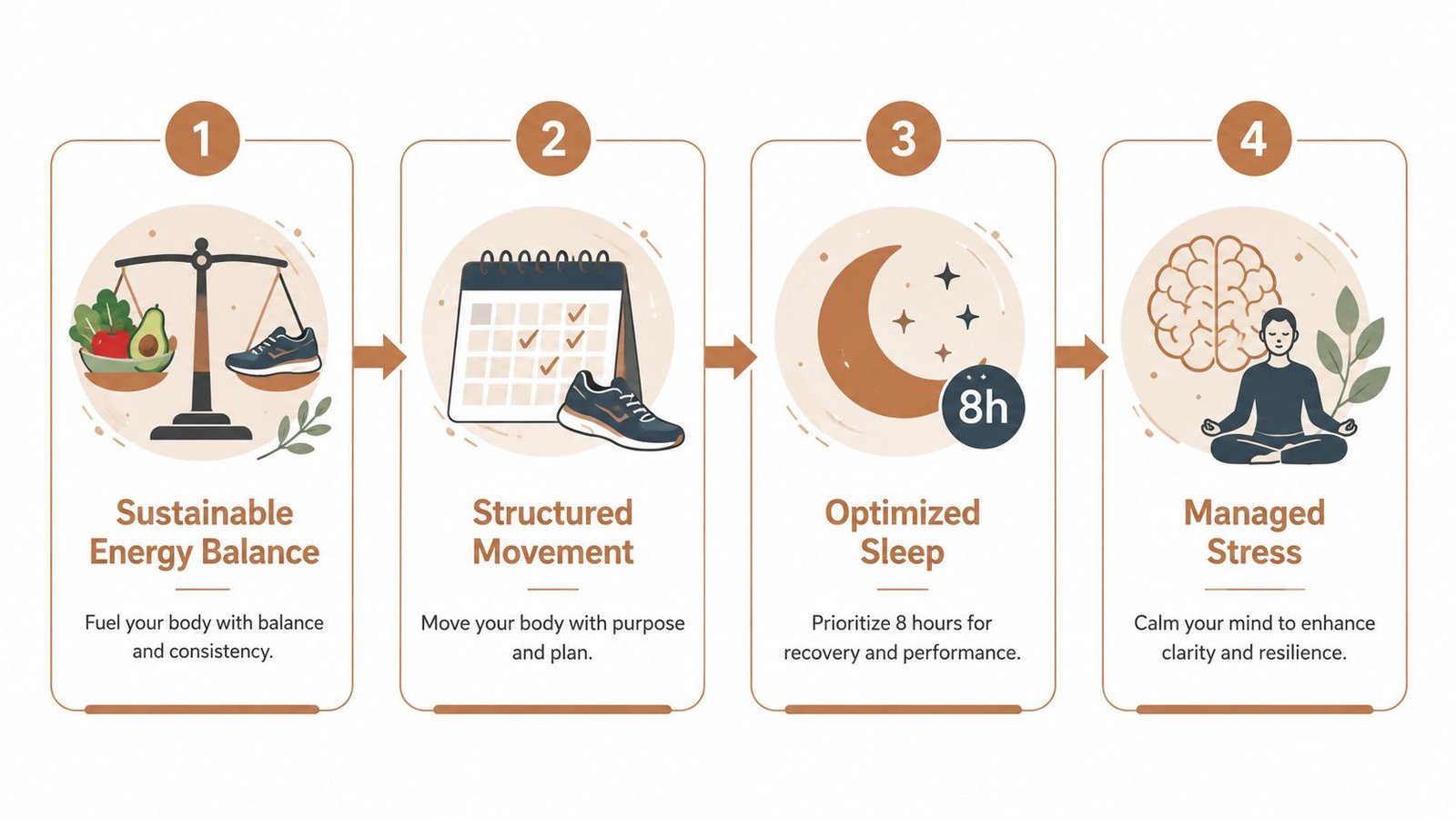
That evidence changes the order of operations. If weight loss or calorie restriction is appropriate for you, establish a sustainable energy balance first. Then add structured aerobic movement, while protecting sleep and creating daily opportunities to lower stress.
A routine that survives real life
A client might begin with a short walk after dinner rather than an ambitious training plan. Someone working near New Brunswick may walk part of the commute, use a nearby indoor track during harsh weather, or schedule movement before the day's demands take over. The best choice is the one that can be repeated without provoking pain or exhaustion.
Use this sequence:
- Stabilize meals and energy intake. Avoid extreme restriction. Build meals that keep you satisfied and support gradual, sustainable change.
- Schedule structured aerobic activity. Choose brisk walking, cycling, swimming, or another suitable option, and progress with guidance when pain or medical conditions are present.
- Protect sleep. Keep a consistent wind-down routine, reduce late stimulation, and treat frequent sleep disruption as a health concern rather than a personal failure.
- Lower stress in small doses. Try slow breathing, gentle stretching, quiet outdoor time, journaling, or a short meditation practice.
Progress marker: Don't judge a plan by how dramatic the first week feels. Judge it by whether you can repeat it and evaluate it over an appropriate period.
Inflammatory markers can move differently from symptoms. If your clinician recommends testing hsCRP, IL-6, or TNF-α, establish a baseline and discuss sensible follow-up timing. Exercise alone may produce little detectable change in adults who already have low inflammation, and short programs may end before biomarkers respond.
For people who want a thermal relaxation option alongside their routine, review far-infrared sauna options near you and discuss hydration, medications, cardiovascular concerns, and other contraindications with a qualified provider before booking.
Supportive Therapies Supplements and What the Evidence Really Shows
Supplements and wellness therapies can be useful adjuncts, but they shouldn't carry the whole inflammation reduction plan. Omega-3 polyunsaturated fatty acids illustrate why. An umbrella meta-analysis reported significant reductions in CRP, TNF-α, and IL-6, with effect sizes of -0.40, -0.23, and -0.22, respectively. More recent pooled data found no significant overall benefit for IL-6, CRP, or TNF-α, which shows how strongly results can vary by population, dose, condition, duration, and study quality. The evidence is summarized in this omega-3 meta-analysis record.
A higher-dose omega-3 trial around 3.6 g per day has shown reductions in CRP and PGE2, but inconsistent outcomes mean you shouldn't copy a research dose without professional advice. Omega-3 supplements can also matter for people taking medications or managing bleeding risks, so review them with your clinician.
Use a clear safety filter
| Option | Reasonable expectation | Questions to ask first |
|---|---|---|
| Omega-3 supplement | A possible adjunct, not a universal solution | Does the dose fit my health history and medications? |
| Far-infrared sauna | Relaxation and heat exposure as part of a wellness routine | Can I safely tolerate heat, and how will I manage hydration? |
| Ionic foot bath | A calming personal-care experience | What does the provider claim, and what evidence supports that claim? |
| Body wrap | Temporary skin-focused care and a relaxing session | Is the treatment being presented honestly, without detox promises? |
| Colon hydrotherapy | A therapist-guided service that requires individualized screening | Are there medical reasons to avoid it, and what preparation is needed? |
| Leech therapy | A specialized procedure requiring professional supervision | Is it appropriate for my condition, medications, and bleeding risk? |
I'm especially careful with the word detox. Sweating, a foot bath, or a body wrap shouldn't be presented as proof that toxins or inflammatory disease have been removed. A service can support relaxation and self-care without making claims it can't substantiate.
Lymphatic drainage is another commonly requested service. If you're considering it, review lymphatic drainage benefits and expectations with a trained provider and ask how the session fits your medical history. Stop and seek medical guidance when symptoms are unexplained, severe, or changing.
Building Your Safe Personalized Inflammation Reduction Plan in Central New Jersey
A useful local plan should feel calm, private, and specific. Begin with your daily foundation, then consider whether a supervised service supports your comfort, relaxation, or adherence. No appointment can substitute for medical evaluation, medication management, or a sustainable eating and movement routine.
For a first visit, write down your symptoms, current medications and supplements, relevant diagnoses, recent procedures, and the outcome you want. Ask what the session involves, what preparation is required, what sensations are normal, and which conditions would make the service inappropriate. A responsible practitioner should welcome those questions rather than pressure you into a package.
Match the service to the goal
- For heat-based relaxation: Ask about far-infrared sauna procedures, hydration, session comfort, and heat-related contraindications.
- For foot-focused self-care: Discuss what an ionic foot bath can and can't claim to do, and whether skin or circulation concerns require medical advice.
- For skin-focused care: Consider herbal or Dead Sea mineral body wraps as cosmetic and relaxing services, not as a replacement for inflammation treatment.
- For colon hydrotherapy: Review preparation and screening with a therapist before scheduling colon hydrotherapy in New Jersey.
- For specialized procedures: Ask about professional supervision, infection control, medication interactions, and whether your clinician should be involved.
C&A Wellness Center in Perth Amboy offers private, one-on-one appointments with an I-ACT certified therapist, including colon hydrotherapy with warm, filtered water, far-infrared sauna sessions, ionic foot baths, body wraps, and other complementary services. The center is open daily from 8 AM to 3 PM at 416 Washington St. and serves clients from Edison, Woodbridge, Sayreville, South Amboy, Old Bridge, Carteret, South Brunswick, New Brunswick, and Metuchen.
Keep the first step modest
Use this checklist before committing:
- Clarify the target: Decide whether you want help with relaxation, routine-building, digestive comfort, or another clearly defined goal.
- Check medical fit: Share relevant health information and ask about contraindications.
- Keep daily habits central: Continue the food, movement, sleep, and stress practices that support long-term change.
- Review results: Track symptoms and follow clinician-recommended testing rather than assuming a service changed a biomarker.
- Choose comfort over pressure: A private consultation should leave you informed and able to make your own decision.
Recent evidence supports a broader pattern approach. Diet and exercise together likely reduce CRP, IL-6, and IL-1β, although markers such as TNF-α and IL-10 may not change meaningfully in every group, as discussed in this review of combined lifestyle approaches. Start with one repeatable change this week, then add support only when it's safe and useful.
C&A Wellness Center offers private, one-on-one colon hydrotherapy, far-infrared sauna sessions, ionic foot baths, body wraps, and other complementary wellness services in Perth Amboy. For a calm, personalized starting point, visit C&A Wellness Center to review your goals, preparation questions, and available appointment times.